
Down at the local club or spinning up on a phone during the commute, punters have always chased that moment when the symbols just sit tight and let the credits roll in. The holding reels pokie feature AUD has quietly become one of the most talked-about mechanics in the Aussie iGaming scene, turning ordinary base games into proper cash-building sessions. It’s not just about lining up three cherries anymore; it’s about watching those reels lock in place while the balance ticks upward in real dollars.
You’ll find this sort of action across everything from five-reel video slots to stacked symbol specials, and the way it’s tuned for the Australian market says a lot about how operators think. When a feature locks in winning symbols and keeps the rest of the grid spinning, it feels less like a random spin and more like a proper session with a bit of momentum behind it. That’s exactly why developers have started calibrating these mechanics around AUD balances, so punters can see their payouts land in familiar dollars without any weird currency conversions getting in the way.
What the holding reels mechanic actually does
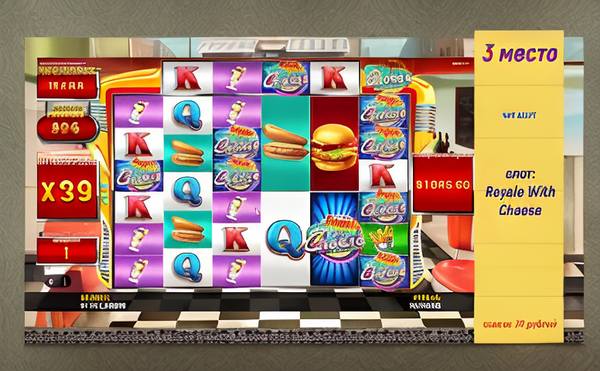
At its core, the holding reels pokie feature AUD works by freezing selected symbols on the grid after a winning combination lands, then letting the remaining reels spin again to build on that base. It’s a straightforward concept on paper, but the timing and the frequency of those locks are where the real design work happens. Operators want the feature to feel rewarding without turning into a predictable pattern that players can game out of their own accord.
The best implementations keep the hold window short enough that the action never drags, while still giving you a clear sense that the machine is working with you rather than against you. When you’re playing in Australian dollars, the payouts line up with what you’d expect from a decent night at the pokies, which makes the whole experience feel grounded and familiar. You’re not chasing abstract credits or guessing at exchange rates; you’re watching your AUD balance climb in a way that makes sense from the first spin.
Why AUD pricing matters for Aussie punters
Running a pokie in AUD isn’t just a cosmetic choice; it changes how players size their bets and how they read the payout table. When the denominations match what you’d pull out of your pocket at a Sydney pub or a Brisbane club, the maths stays clean and the session feels more accountable. That’s a big reason why operators have leaned into AUD-calibrated features rather than leaving everything in generic credits.
You see it across the regulated market, where betting limits and return-to-player figures are published in a way that’s easy to check against what you’re actually putting in. The holding reels pokie feature AUD slots tend to keep their bet ranges tight enough for a casual spin but flexible enough for a proper session, which suits the way most locals like to play. It’s less about chasing a massive jackpot on a single line and more about building a steady run that keeps the balance moving.
If you’re keen to see how that plays out in practice, you can check out a working example at big-bass-amazon-au.com and watch how the locked symbols stack up against the base bet. The way those features interact with the paytable gives you a decent feel for whether a game is tuned for quick hits or longer builds.
How operators tune the feature for the local market
Setting up a holding reels pokie feature AUD game takes more than just flipping a switch on the backend. Developers have to balance the hold frequency, the multiplier behaviour, and the bet range so the feature feels generous without breaking the operator’s margin. In Australia, that balancing act is shaped by state-based regulations and the way each market handles online pokies, which means the same mechanic can play out differently depending on where you’re logging in.

You’ll notice the difference in how features trigger across regulated sites, with some operators leaning into more frequent locks and others spacing them out for bigger swings. The trick is keeping the session readable, so punters can tell when the feature is active and what the odds are doing without needing a degree in game maths. That transparency matters, especially when you’re comparing games side by side and trying to work out which ones actually suit your bankroll.
William Walsh, Commercial Director, Southern Reef Gaming, puts it plainly: “The holding reels mechanic works best when it’s tuned to the way Aussie punters actually play, which means keeping the AUD denominations clear and the feature triggers easy to read. You want the locks to feel earned, not forced, and that’s where the real design work sits.”
What the experts say about session flow
When you’re spinning through a holding reels pokie feature AUD game, the rhythm of the session matters just as much as the payout numbers. A well-set feature keeps the base game lively, then gives you a clear window where the locked symbols do the heavy lifting. That flow is what separates a game that feels engaging from one that just spits out random wins and moves on.
Players tend to respond to features that give them a bit of control without pretending they’re actually influencing the outcome. The best titles let you adjust the bet size, watch the hold window play out, and see the AUD balance update in a way that feels honest. That’s the kind of session flow that keeps people coming back, because it feels less like a lottery ticket and more like a proper game with its own rhythm.
You can read more about how the industry covers these mechanics and the broader conversation around online gaming at the ABC Four Corners report, which has tracked how operators and regulators have navigated the space. It’s a useful backdrop for understanding why feature design has become such a focused area for developers.
Picking a game that suits your bankroll
Choosing the right holding reels pokie feature AUD title comes down to matching the bet range and feature frequency to how you actually like to play. Some games are built for short, sharp sessions with smaller stakes, while others are tuned for longer runs where the locked symbols can build into something proper. The key is reading the paytable and the feature rules before you commit, so you know what you’re walking into.
A few things worth checking before you spin:
- Look at the minimum and maximum bet levels to make sure they fit your session budget without stretching it too thin.
- Check how often the hold feature triggers and whether it stacks with multipliers or other bonus elements.
- Read the paytable to see which symbols actually lock and how the payouts scale once they’re frozen in place.
- Pay attention to the return-to-player figures and any published volatility ratings so you know whether the game leans toward frequent small wins or bigger swings.
Reading the payout structure before you spin
The payout structure is where the holding reels pokie feature AUD mechanic really shows its hand, because the locked symbols change how the rest of the grid behaves. A game with a tight paytable and frequent holds will feel different from one that spaces out the locks and pushes for bigger combinations. Neither approach is automatically better; it just depends on whether you want a steady run or a more volatile session.
When you’re comparing titles, it helps to look at how the feature interacts with the base game rather than treating it as a separate bonus. The best designs keep the transition smooth, so the locked symbols feel like a natural extension of the spin rather than a disconnected mini-game. That’s what makes the whole thing feel cohesive, especially when you’re playing in AUD and the numbers line up with what you’d expect from a decent session.
If you’re looking for a bit of background on how Aussie punters think about responsible play and session limits, the team at Pet Rescue has run some community campaigns that touch on the same idea of setting clear boundaries before you dive in. It’s not a gaming site, but the underlying message about knowing your limits translates pretty well to the pokies room.
Comparing the market leaders
When you line up the major operators side by side, the differences in how they handle the holding reels pokie feature AUD mechanic become pretty clear. Some platforms lean into tighter bet ranges and more frequent locks, while others go for higher volatility and bigger swings. The right choice depends on what kind of session you’re after, but it helps to have a clear view of how the top names stack up before you commit your bankroll.
| Operator | Feature tuning | AUD bet range | Session feel |
|---|---|---|---|
| Joe Fortune | Frequent holds with moderate multipliers | $0.20 to $100 per spin | Steady build with clear payout windows |
| Southern Reef Gaming titles | Balanced hold frequency with stacked symbols | $0.10 to $80 per spin | Smooth flow with readable feature triggers |
| Major club-linked platforms | Higher volatility with spaced-out locks | $0.50 to $120 per spin | Bigger swings with longer base-game runs |
| Mobile-first operators | Quick hold windows tuned for short sessions | $0.10 to $60 per spin | Fast-paced action with compact payout tables |
Final picks for a solid session
If you’re after a holding reels pokie feature AUD game that feels balanced and easy to read, the best move is to start with a lower bet level and watch how the locks behave before you push the stake up. That gives you a proper feel for the feature without committing to a session that’s out of step with your bankroll. Once you know how the game flows, you can adjust from there and decide whether you want a longer run or a quicker hit.
A few practical moves worth keeping in mind:
- Start with a small bet and track how often the hold feature triggers before you increase the stake.
- Pick games where the locked symbols stack cleanly and the paytable stays easy to read during the feature.
- Set a session limit in AUD before you spin so the balance stays manageable and the run doesn’t drift too far.
- Compare a couple of titles side by side to see which one matches your preferred pace rather than chasing the first game that catches your eye.
The holding reels pokie feature AUD mechanic has earned its place because it gives players a clear, readable way to build a session without turning the game into a guessing game. When the locks land, the balance updates in familiar dollars, and the feature feels tuned to the way Aussie punters actually like to play, it’s easy to see why this sort of design keeps showing up across the market.